


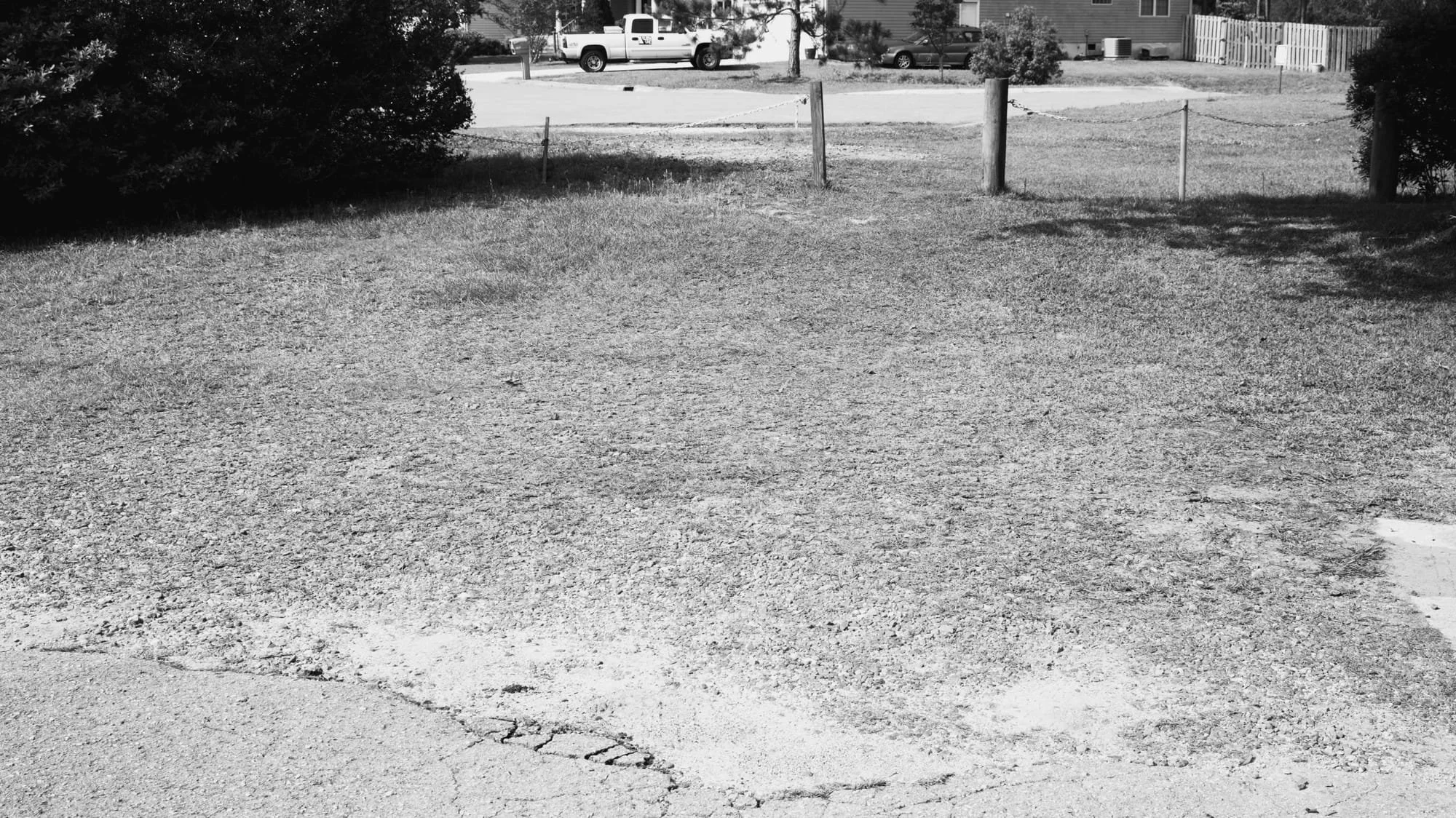
First, do the site work
How many of us are building impressive structures on unstable soil?
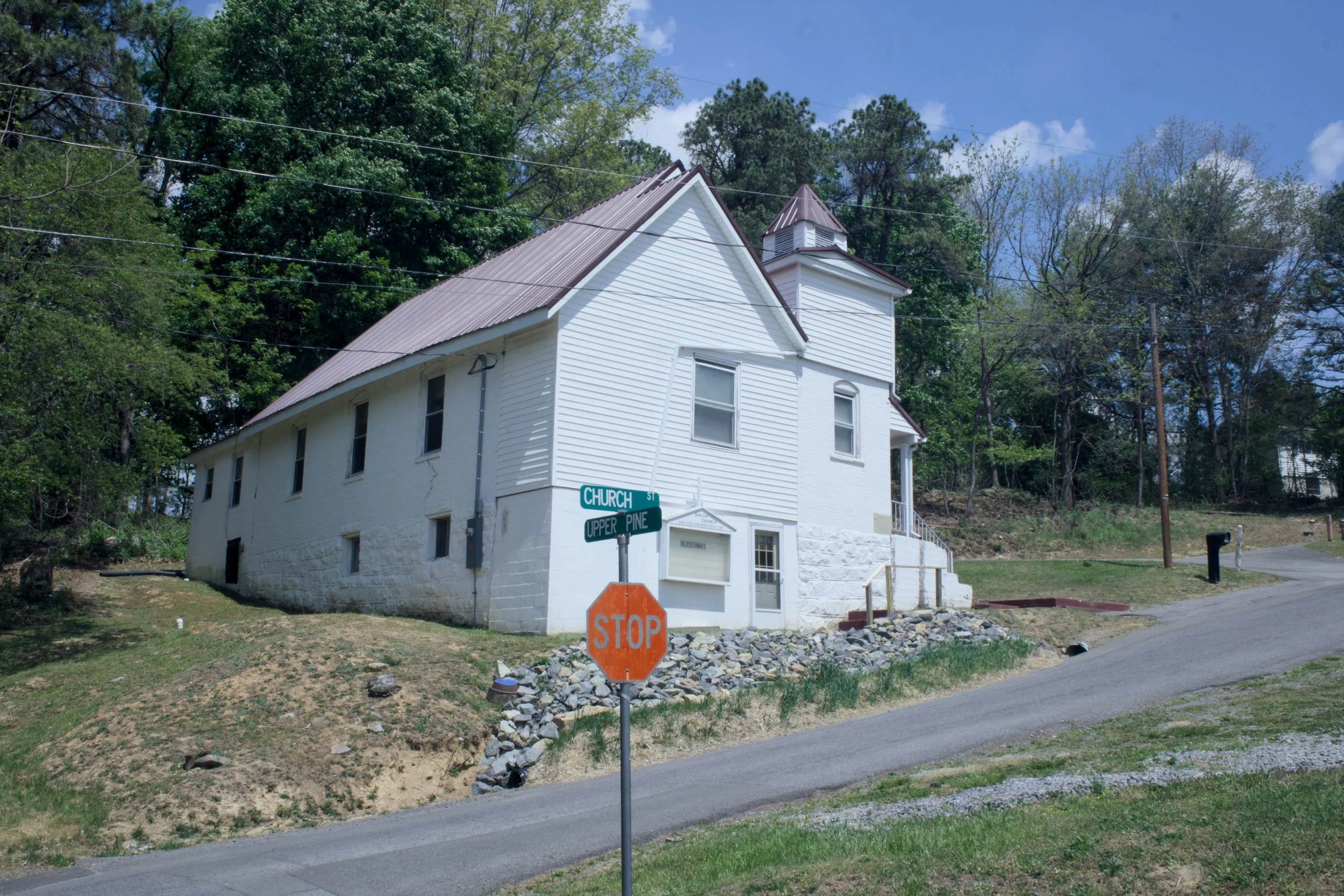
Often we're told that building a faith structure begins with laying a good foundation. But really it begins (or should) with doing adequate site work. Whatever foundation we may lay, we have to first see that it sits on another foundation. And if we don't understand the nature of this existing foundation, ours will be unstable; our entire faith structure will be vulnerable to damage or collapse.
When I hear that someone's circumstances have caused them to question their faith;
When I see that someone's religion consists only of rote routines;
When I watch people put so much energy into dealing with fear and earning God's favor;
When I hear that a person's only concern is where they will go when they die;
And when I watch Christians suffer because of consistently bad decision-making;
I suspect they've set their foundation on top of a poorly-understood base.
Most people are smart. Most people can build a solid structure if they just know what the ground is like beneath. As leaders, we need to help people clear the land, take core samples, and study the True Foundation patiently and carefully. It's wonderful when we can do this right from the start. But whenever we're given the chance, let's commit our greatest energies to this.
When Christians don’t hold the line
If you interact with humans, plan to give them a margin of grace. They’ll need it sometimes.
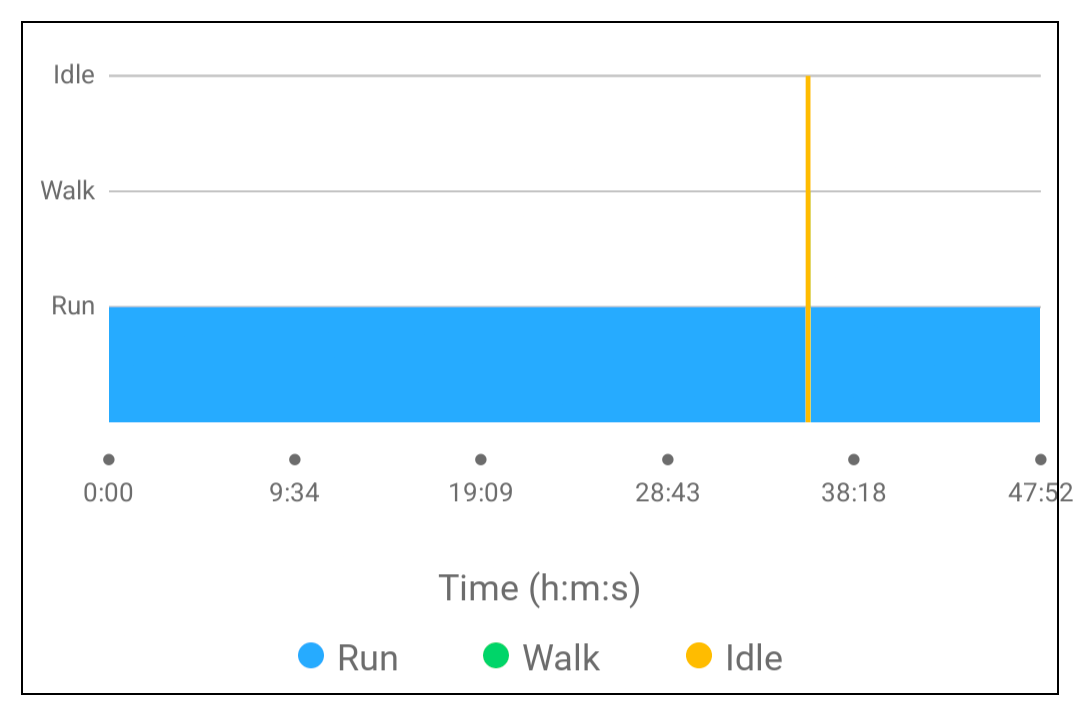
I run most mornings. It's usually dark outside and, even though I wear a bright reflective vest, there's always someone who nearly runs me over. I assume they're still asleep.
Today I waited to run until the sun was up. Along the way, a teenager passed within inches of me on a bike. I know she saw me; she looked right at me. She held a perfectly straight line and I did too—so we didn't crash.
But there have been mornings when I've tripped, even fallen down. I'd have felt better if the biker had given me a little more margin.
It's something I need to remember in my relationships with others. Sometimes they may be asleep—not focusing at the moment on Christ and his kingdom. Others may have too much confidence in their ability—and mine—to hold a straight line. If one of us swerves, we're going to crash.
It's better to anticipate error and provide a bigger margin of grace.
Creating unsafe spaces
Quiet spaces where we can hear God’s voice are not necessarily safe spaces. God is not tame.
The world is noisy these days. It reminds me of open-air markets I've visited—to me, a cacophony; thousands of voices clamoring to be heard.
It's also what I imagine of the temple courts when Jesus overturned tables and cracked a whip. "MAY I PLEASE HAVE YOUR ATTENTION?"
These days I'm grateful for leaders who carve out spaces to learn from Jesus—to hear what he actually said and to see how he went about the Father's business. Spaces for listening intently to the Holy Spirit he sent.
Beware, these aren't safe spaces. Here, every person is challenged to see differently.
- love
- Holy Spirit
- humility
- church
- politics & society
- mission & witness
- holiness
- parable & metaphor
- identity
- eternal life
- doubt & deconstruction
- leadership
- grace
- justice
- scripture
- spiritual life
- advent & christmas
- poverty & compassion
- imagination & creativity
- technology & ai
- knowing God
- human dignity
- faith & trust
- incarnation & cross
- kingdom of God
- community
- reconciliation
- spiritual formation
- epistemology
- prayer
- gratitude
- culture
- creation & nature
- discipleship