




Teach my sheep
Feeding the sheep should be more about care than academic instruction.
“Jesus said to him, “Feed my sheep.””
People will say: "Your job is to feed the sheep." Or, "I'm not being fed here." Knowing what they mean, an image forms in my mind—hundreds of woolly creatures, sitting in rows or circles, being taught by a shepherd about eschatology. Baa.
The Greek word translated 'feed' means tend, keep, and pasture. Jesus' request of Peter has more to do with care than it does instruction. Yes, to live well, sheep—and people—do need to learn a few things: mainly to trust the Shepherd, to know His voice, and not to stray. But the Christian's life is much more about relationship than academic knowledge. We need to be tended. Cared for.
People's criticism may be valid—just often not in the way they mean it.
Survival of the weakest
We are to notice the weak, the powerless, the marginalized. Then care for them.
“When you give a dinner or a banquet, do not invite your friends or your brothers or your relatives or rich neighbors, lest they also invite you in return and you be repaid. But when you give a feast, invite the poor, the crippled, the lame, the blind, and you will be blessed, because they cannot repay you. For you will be repaid at the resurrection of the just.”
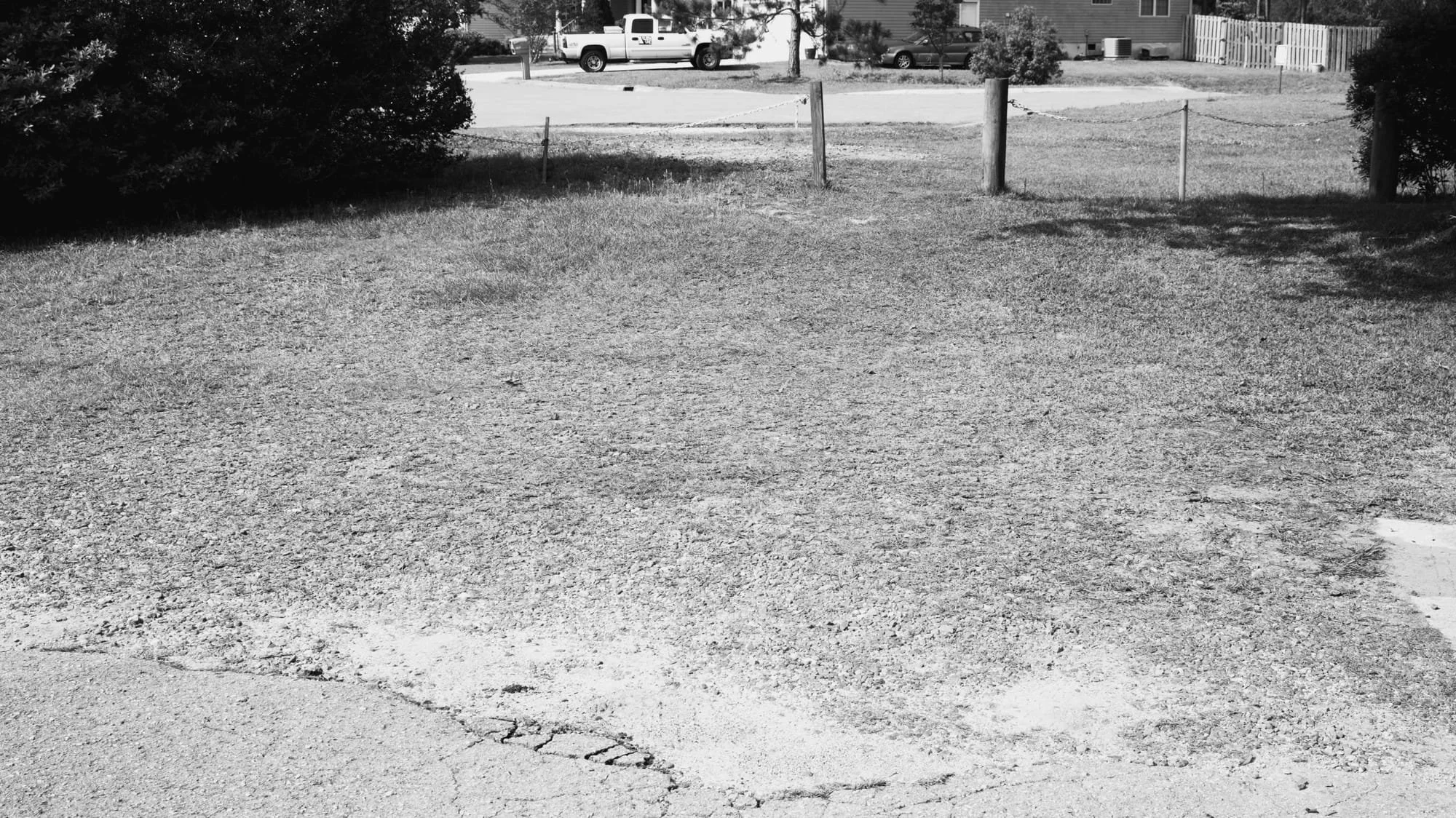
A couple of years ago my wife and I were having some work done on our house. I was in the driveway talking with the builder about timelines and materials and I noticed I lost his attention. The builder took a few steps, bent over, picked up a worm that was creeping across the concrete, and tossed it in the grass. Without saying a word about it, we returned to our conversation.
To me, it was just a worm. Probably thousands of them would dry out that day on paved surfaces—in my neighborhood alone. But to my builder, that worm was a part of Creation he was given to tend. I am prone to think that saving a worm from desiccating on my driveway is a bit Buddhist or New Age. But my builder has Genesis 1 on his side.
If we're called to care for every creeping thing that creeps on the earth, then even more so God's children made in His image. From cover to cover, the Bible instructs us to care for the poor, the weak, and the less powerful. Jesus modeled this in His words, His life, and His death. And I must become like Him.
On bubbles and idols
Anything can become an idol. Well, Jesus can’t!
According to Wikipedia, an economic bubble is "trade in an asset at a price or price range that strongly exceeds the asset's intrinsic value. It could also be described as a situation in which asset prices appear to be based on implausible or inconsistent views about the future."
Assets have real value but we can imagine they're more valuable than they actually are. And we can misread an asset's future stability. The same is true of other things in life. Popularity, relationships, possessions, comfort, health, career—all of these can become idols. They have real value to us but we can overstate that value. And every one of them is fragile.
Asset bubbles burst and idols topple. If we depend on them for our happiness and security our world will crumble right along with them. Be cautious—always on guard.
Except for one place.
I have learned—and am still learning—that I can pour everything into my relationship with Jesus, unconcerned that my commitments will ever approach His true worth. He is infinitely valuable and eternally dependable. The full weight of my life is secure in Him.
- love
- Holy Spirit
- humility
- church
- politics & society
- mission & witness
- holiness
- parable & metaphor
- identity
- eternal life
- doubt & deconstruction
- leadership
- grace
- justice
- scripture
- spiritual life
- advent & christmas
- poverty & compassion
- imagination & creativity
- technology & ai
- knowing God
- human dignity
- faith & trust
- incarnation & cross
- kingdom of God
- community
- reconciliation
- spiritual formation
- epistemology
- prayer
- gratitude
- culture
- creation & nature
- discipleship