



On surrender and love
The life of a believer is a life of surrender. But surrender to whom?
“[The Father] has delivered us from the domain of darkness and transferred us to the kingdom of his beloved Son”
My simplest answer to the question What do you do? is this: I help people adapt to heaven culture. When people accept Jesus' invitation to follow him, they leave one culture and enter another, very different, culture. This defection requires full surrender. But surrender to whom?
Christians are often encouraged to 'lay down their rights'—to surrender. And I think we confuse this with love. We're called to love and to serve other Christians, our neighbors, even our enemies. But we don't surrender to their expectations. We surrender to God. Jesus didn't surrender to Pilate's expectations, he surrendered to the Father's will. (John 19:10-11, Matthew 26:39)
Once we've surrendered to God, self-denying others-oriented love becomes an act of spiritual warfare. And it should be waged aggressively and indiscriminately.
The edge of mayo
We need to live in a bubble — but in a bubble with lots of edge that interfaces with the world.
Many sciences study 'edge effects'—the nature of boundaries. In Ecology, for instance, activity and diversity are greatest where forests meet meadows, meadows meet ponds, and seas meet shipwrecks.
We're told oil and water don't mix. Stir them together and they separate. But the truth is, if we shake them vigorously enough we make mayonnaise or latex paint—millions of tiny oil droplets (let's call them bubbles) suspended in water—with lots and lots of edge.
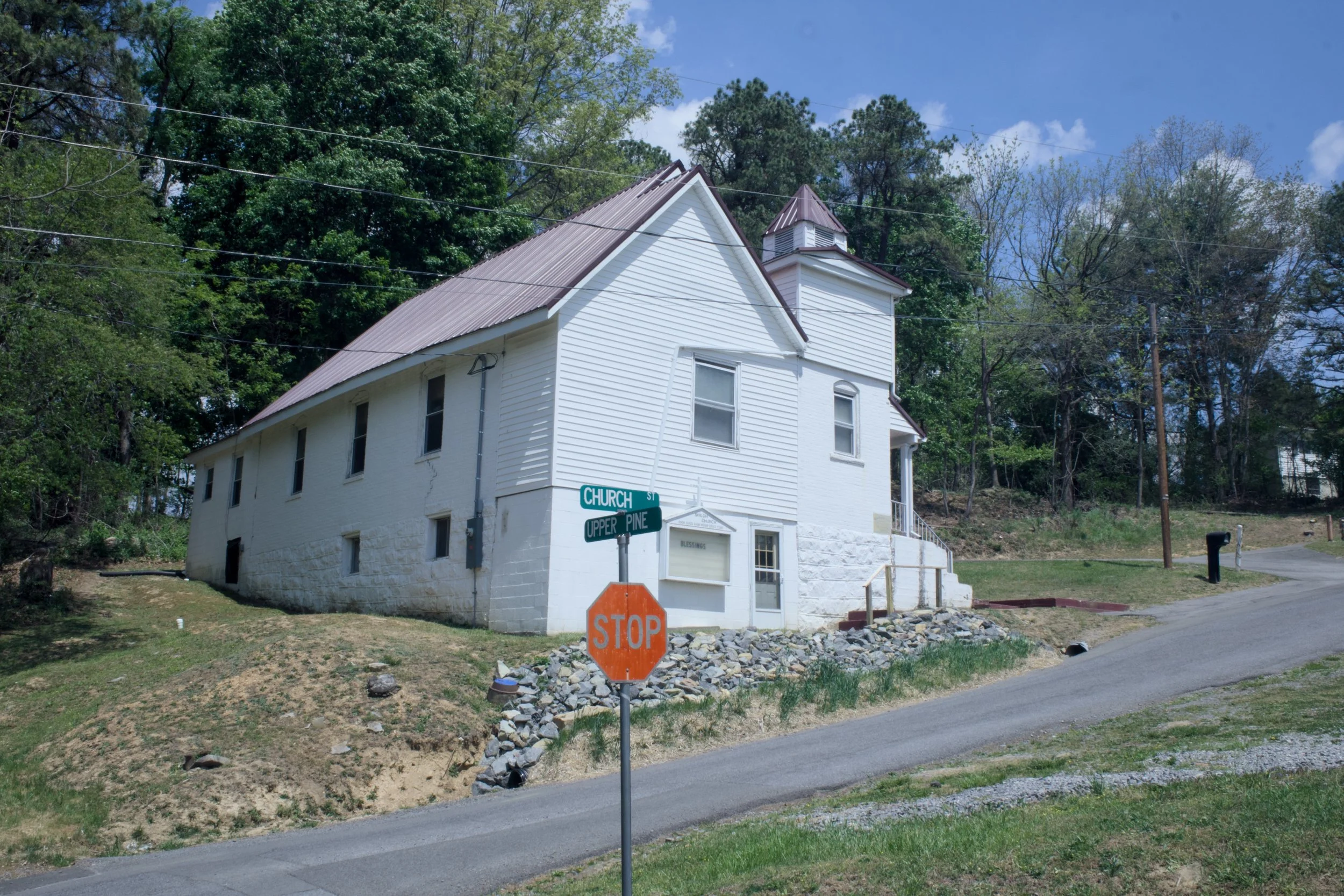
Churches are called bubbles and we criticize those 'inside the bubble'. But it's what's inside that preserves the bubble's nature and character. The inside supports the life, activity, and diversity at the edge of the bubble—out there. The problem arises when churches haven't been shaken recently. And they coalesce and separate from the world. Far less edge.
Edges are life-giving. Workplaces, local and global missions, neighborhoods—all are places where believers touch others' lives in ways that can be healing and attractive. Like ecologists, we can increase activity and promote diversity just by adding 'edge' (Acts 1:8).
But often it's God who has to do the shaking to get us 'out there' and increase our edge. Consider a few examples: Babel in Genesis 11 (confusion), Christ's death in Mark 15:38 (new paradigm), the diaspora in Acts 8 (persecution). Also the flight of the Pilgrims to the New World, Martin Luther's Reformation, wars, famines, and refugee migrations.
As someone once said, "It's Acts 1:8 or it's Acts 8:1". Either way, it's about existing as healthy bubbles with plenty of edge.
Teach my sheep
Feeding the sheep should be more about care than academic instruction.
“Jesus said to him, “Feed my sheep.””
People will say: "Your job is to feed the sheep." Or, "I'm not being fed here." Knowing what they mean, an image forms in my mind—hundreds of woolly creatures, sitting in rows or circles, being taught by a shepherd about eschatology. Baa.
The Greek word translated 'feed' means tend, keep, and pasture. Jesus' request of Peter has more to do with care than it does instruction. Yes, to live well, sheep—and people—do need to learn a few things: mainly to trust the Shepherd, to know His voice, and not to stray. But the Christian's life is much more about relationship than academic knowledge. We need to be tended. Cared for.
People's criticism may be valid—just often not in the way they mean it.
- love
- Holy Spirit
- humility
- church
- politics & society
- mission & witness
- holiness
- parable & metaphor
- identity
- eternal life
- doubt & deconstruction
- leadership
- grace
- justice
- scripture
- spiritual life
- advent & christmas
- poverty & compassion
- imagination & creativity
- technology & ai
- knowing God
- human dignity
- faith & trust
- incarnation & cross
- kingdom of God
- community
- reconciliation
- spiritual formation
- epistemology
- prayer
- gratitude
- culture
- creation & nature
- discipleship